The content on the next paragraphs relating to How to Fix Hard Water is highly informative. Don't skip it.
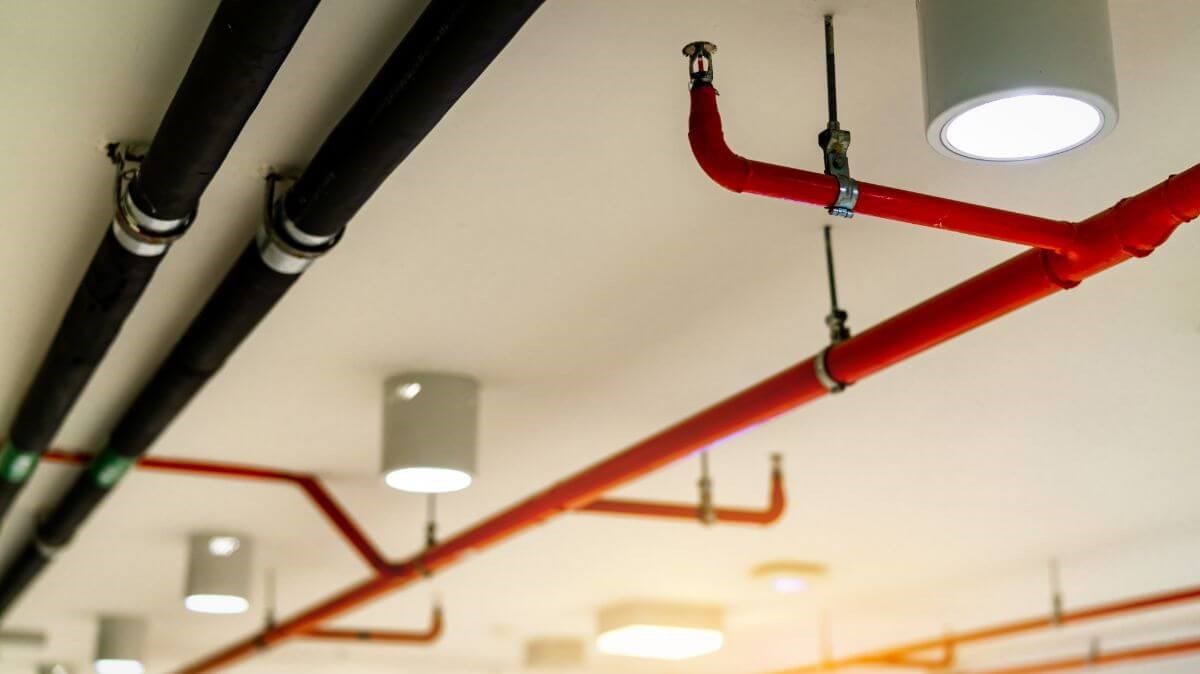
Hard water, an usual problem in many houses, can have significant impacts on pipes systems. Comprehending these results is essential for keeping the durability and efficiency of your pipelines and fixtures.
Introduction
Difficult water is water that contains high degrees of liquified minerals, mostly calcium and magnesium. These minerals are harmless to human wellness yet can damage pipes framework with time. Allow's delve into just how tough water impacts pipelines and what you can do concerning it.
Impacts on Water lines
Tough water impacts pipes in several detrimental means, mainly via range buildup, reduced water flow, and enhanced deterioration.
Range Build-up
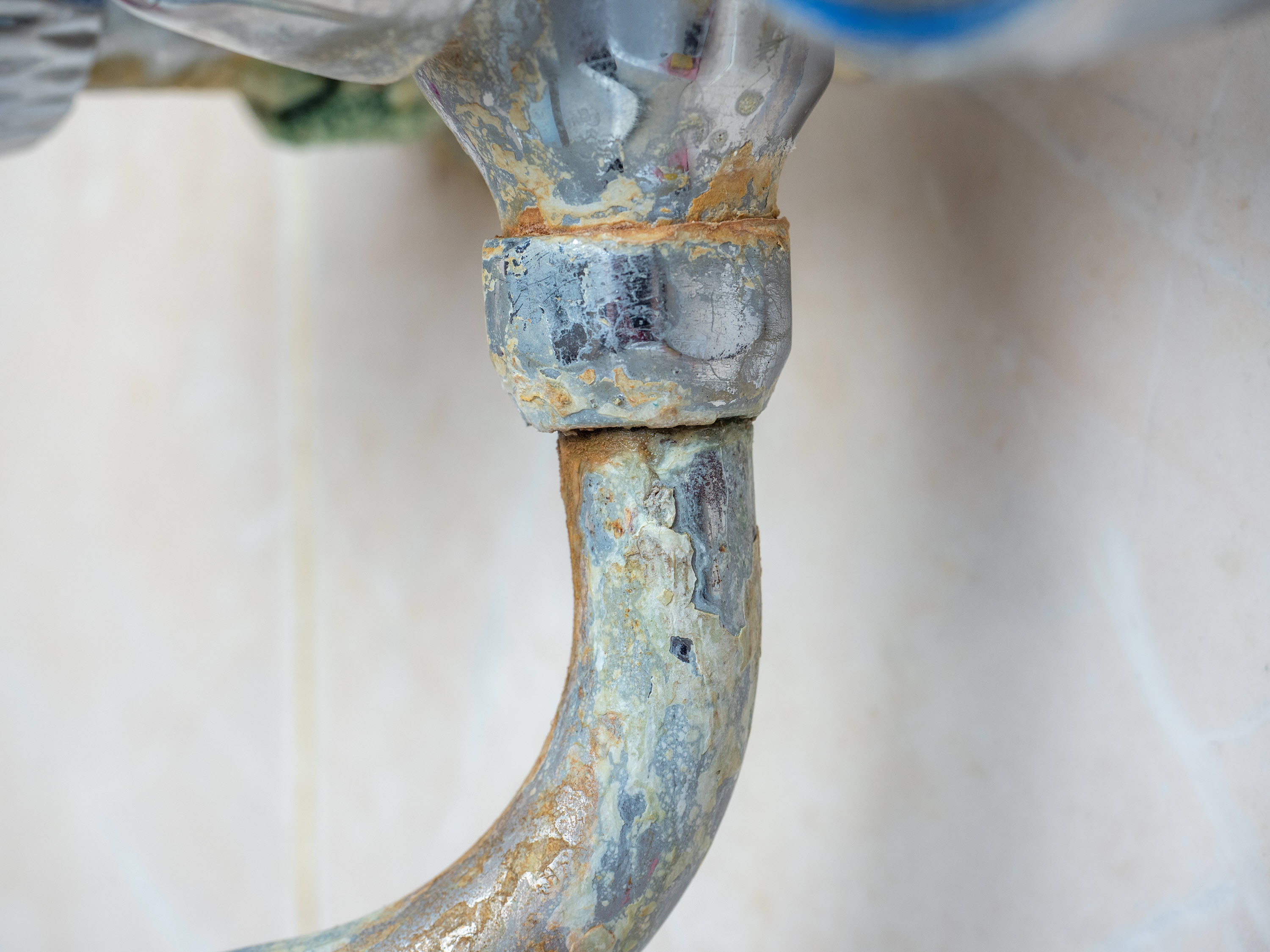
One of the most usual problems brought on by tough water is scale accumulation inside pipes and fixtures. As water streams with the pipes system, minerals speed up out and follow the pipe wall surfaces. Over time, this buildup can tighten pipeline openings, causing minimized water circulation and raised stress on the system.
Minimized Water Flow
Mineral deposits from hard water can progressively reduce the size of pipelines, limiting water flow to taps, showers, and appliances. This lowered flow not just influences water stress yet additionally enhances power usage as devices like water heaters should function more difficult to supply the same amount of hot water.
What is Hard Water?
Hard water is characterized by its mineral web content, particularly calcium and magnesium ions. These minerals go into the water supply as it percolates with sedimentary rock and chalk down payments underground. When hard water is warmed or delegated stand, it has a tendency to form scale, a crusty buildup that abides by surface areas and can create a range of problems in pipes systems.
Rust
While hard water minerals themselves do not cause rust, they can intensify existing rust concerns in pipelines. Range accumulation can catch water against metal surface areas, increasing the rust process and potentially causing leakages or pipe failing gradually.
Appliance Damage
Past pipes, tough water can likewise damage home devices linked to the supply of water. Devices such as hot water heater, dishwashing machines, and cleaning equipments are specifically vulnerable to scale build-up. This can decrease their effectiveness, rise maintenance prices, and reduce their lifespan.
Expenses of Tough Water
The financial ramifications of difficult water expand beyond plumbing repair services to consist of raised power expenses and early home appliance substitute.
Repair work Costs
Handling hard water-related issues can be costly, particularly if scale accumulation results in pipe or home appliance failing. Regular upkeep and very early discovery of troubles can aid minimize these costs.
Regular Upkeep
Regularly flushing the plumbing system and checking for scale accumulation can assist stop expensive repair services down the line. Regular checks of home appliances for indications of range build-up are also crucial.
Selecting the Right Fixtures
Selecting pipes components and appliances created to withstand hard water problems can mitigate its impacts. Seek products with corrosion-resistant products and easy-clean attributes to decrease maintenance needs.
Energy Effectiveness
Range buildup minimizes the effectiveness of water heaters and other home appliances, causing higher energy consumption. By resolving difficult water concerns immediately, homeowners can enhance power efficiency and lower energy bills.
Testing and Therapy
Testing for hard water and applying appropriate treatment actions is vital to alleviating its effects on pipelines and appliances.
Water Conditioners
Water softeners are one of the most usual service for treating tough water. They function by exchanging calcium and magnesium ions with salt or potassium ions, efficiently reducing the hardness of the water.
Other Treatment Choices
In addition to water softeners, various other therapy choices consist of magnetic water conditioners, reverse osmosis systems, and chemical additives. Each approach has its advantages and suitability depending on the seriousness of the tough water issue and household requirements.
Preventive Measures
Preventing hard water damage calls for a mix of positive upkeep and thoughtful component selection.
Verdict
In conclusion, the influences of hard water on pipelines and appliances are significant yet workable with correct understanding and safety nets. By understanding exactly how difficult water affects your pipes system and taking proactive steps to reduce its impacts, you can prolong the life of your pipelines, boost power performance, and lower maintenance costs over time.
The Impact of Hard Water on Your Plumbing and How to Combat It
Many homeowners and business owners may not realize the silent battle their plumbing systems face against hard water. This common problem affects not only the longevity and performance of household appliances but also the quality of water. The minerals in hard water can accumulate inside pipes, fixtures, and tankless water heater, leading to inefficiencies and potential repairs.
The Science Behind Hard Water
Hard water is a common condition affecting many residential areas and industries around the world, distinguished by its high content of dissolved minerals, specifically calcium and magnesium. Understanding the science behind hard water is essential to comprehending its various effects on plumbing, appliances, and daily life.
What is Hard Water?
At its core, hard water is water that contains a high concentration of dissolved minerals. While it can contain various minerals, the primary components contributing to water hardness are calcium and magnesium ions. These minerals are harmless to human health; in fact, they contribute to the dietary intake of these essential elements. However, their presence in water at high concentrations leads to several water damage, particularly in household and industrial settings.
Why Does Hard Water Occur?
The hardness of water is primarily determined by the water's journey through the environment. As rainwater percolates through the soil and into aquifers, it naturally dissolves minerals from the rocks and sediment it encounters. The types of rocks and minerals present in a particular region significantly influence the hardness of the local water supply.
Geographical Variance in Water Hardness
Water hardness varies significantly from one geographical location to another, primarily due to the geological composition of the land. Regions with extensive limestone and dolomite deposits tend to have harder water because these minerals easily dissolve into the water supply. Conversely, areas with granite or other less soluble rock formations typically have softer water.
Economic Implications of Hard Water
The presence of hard water in a bathroom, kitchen or industrial setting extends beyond mere inconvenience; it harbors significant economic implications that can affect the bottom line of homeowners and businesses alike. From increased energy bills to the premature need for appliance replacement, the hidden costs of hard water can accumulate, making it an issue worth addressing.
Increased Energy Bills
One of the most immediate economic impacts of hard water is the increase in energy consumption and, consequently, higher energy bills. When water contains high levels of minerals like calcium and magnesium, it leads to the formation of scale within pipes and on heating elements. This scale acts as an insulator, reducing the efficiency of a water heaters by forcing them to use more energy to reach your desired temperature for a hot water.
Frequent Repairs and Maintenance
Hard water also necessitates more frequent Boise plumbing services. The buildup of scale within pipes and fixtures can lead to clogged drains and low water pressure, requiring a repair to restore proper function. Similarly, appliances such as washing machines, dishwashers, and water heaters suffer from the effects of mineral buildup, leading to malfunctions that demand repairs or parts replacement. These maintenance activities and repairs represent ongoing costs that can add up over time, making hard water an expensive proposition for those affected.
Early Appliance Replacement
Perhaps one of the most significant economic implications of hard water is the shortened lifespan of household appliances. Appliances that frequently come into contact with hard water, such as tankless water heaters, washing machines, and dishwashers, are prone to scale buildup and the subsequent stress it places on their components.
This not only leads to a decrease in efficiency but also accelerates wear and tear, culminating in the need for premature replacement. The cost of replacing these appliances is substantial, representing a significant investment that homeowners must face more frequently than those with soft water systems.
Additional Costs
Beyond the direct costs associated with increased energy consumption, repairs, and appliance replacement, there are additional economic implications to consider. The inefficiency in soap and detergent usage, for instance, results from hard water's reaction with soap to form scum, requiring more product to achieve the desired cleaning effect.
Furthermore, the impact on textiles and clothing can lead to faster degradation of fabrics, necessitating more frequent replacements. These indirect costs, while less obvious, contribute to the overall economic burden of hard water on households.
https://www.veteransplumbingcorp.com/the-impact-of-hard-water-on-your-plumbing-and-how-to-combat-it
I found that piece about The Impact of Hard Water on Your Plumbing when doing a lookup on the web. Sharing is nice. You never know, you may be doing someone a favor. Thank you for taking the time to read it.
Click Here